


Designing Lounges That Transition From Day to Night
What makes a lounge feel just as inviting at noon as it does at midnight? Great lounge design is not about choosing one mood over another. It is about creating a flexible environment that evolves naturally as the day unfolds. For owners and operators, this approach maximizes usability, revenue, and guest satisfaction without requiring constant reconfiguration.
In this article, we will explore how lounges can successfully transition from daytime comfort to nighttime energy. You will learn how lighting, layout, materials, and construction planning work together, especially in dense urban markets like New York City. Whether you are developing a new venue or renovating an existing space, these insights can help you make informed decisions that last.
What Is Lounge Design for Day-to-Night Spaces?
Day-to-night lounge design is the intentional planning of interiors that support multiple atmospheres within the same space. It allows a lounge to function as a relaxed, welcoming environment during the day and transform into a vibrant, immersive destination at night.
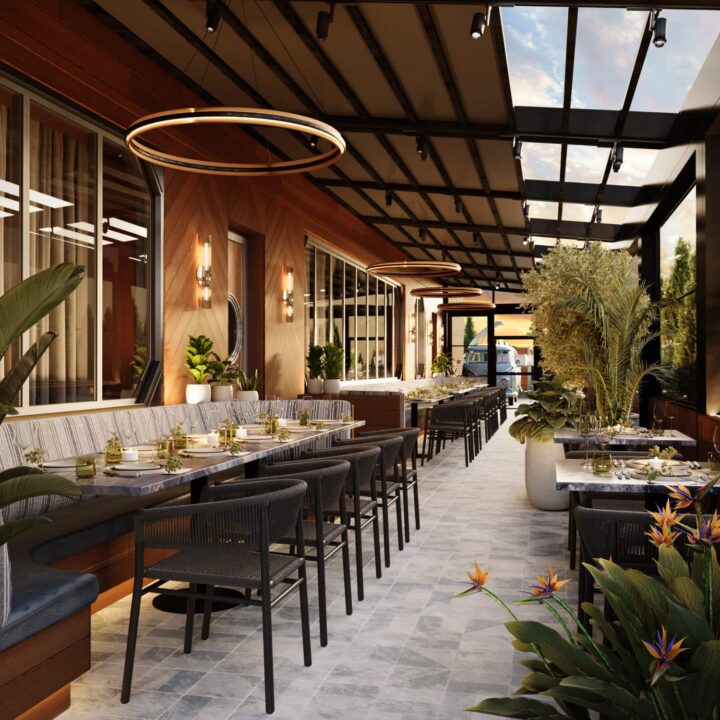
A strong example is The Gansevoort Park Lounge, where the atmosphere transitions from a relaxed daytime setting into a high-energy evening destination. The space does not need to be redefined each night. The design itself handles the shift through lighting, finishes, and spatial flow.
How Does Day-to-Night Lounge Design Work?
Designing a lounge that transitions smoothly requires coordination across multiple elements. While each project is unique, the process typically follows a clear progression.
Lighting as the Primary Driver
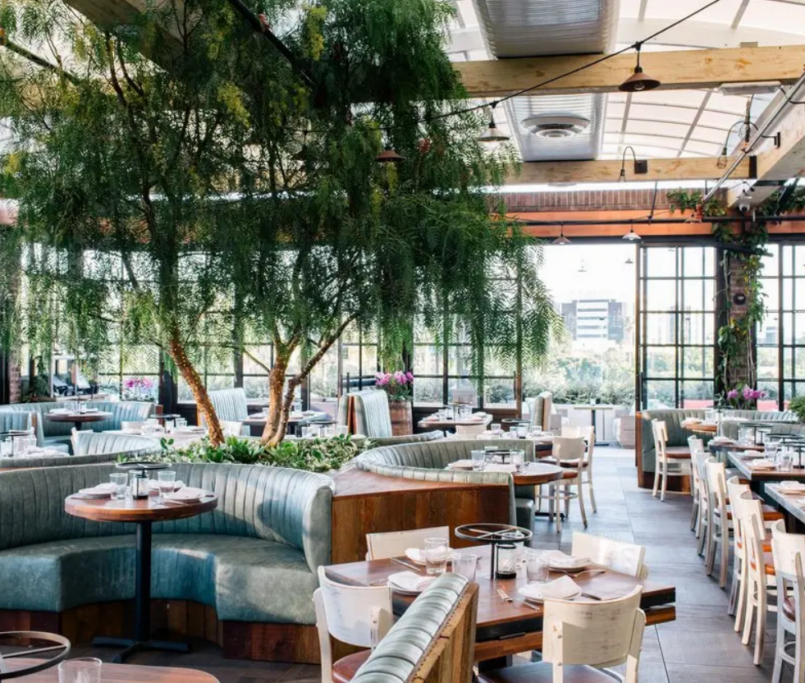
Lighting is the most powerful tool in day-to-night lounge design. During the day, natural light and soft ambient fixtures create an open, relaxed feel. As evening approaches, layered lighting takes over. Dimmable systems, accent lights, and warmer color temperatures help shift the mood without disrupting guests.
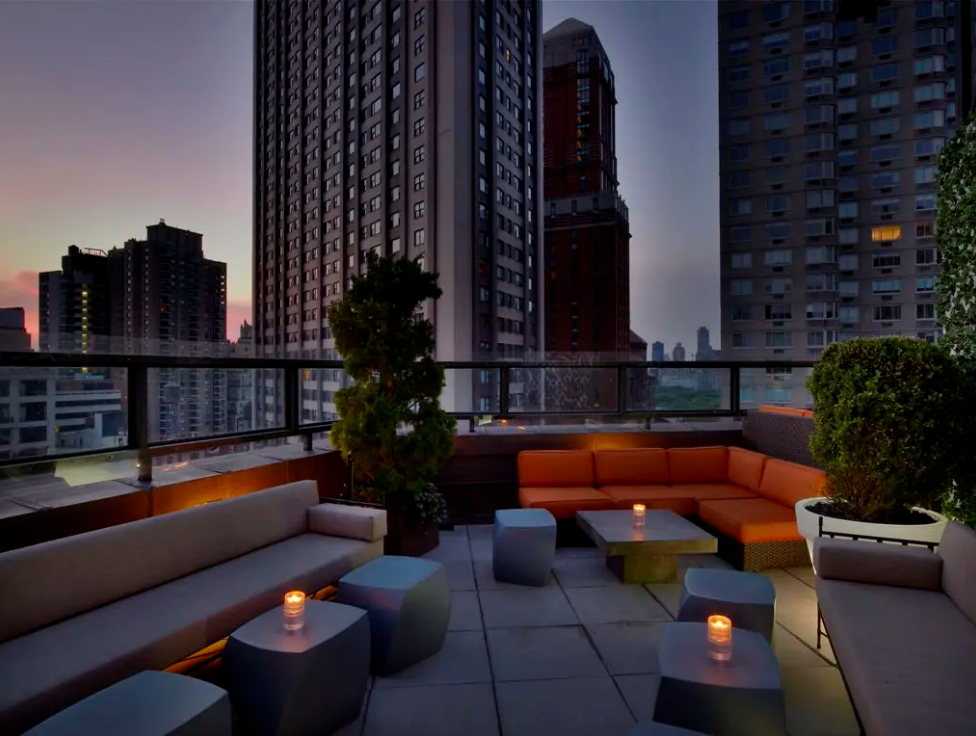
Projects like Empire Hotel Rooftop show how architectural lighting can subtly reshape the mood without disrupting the guest experience. Dimmable systems and integrated accent lighting allow staff to shift the atmosphere quickly while keeping the design cohesive.
Flexible Layout and Furniture
Furniture selection and placement play a critical role in how a lounge evolves. During the day, seating is spaced to encourage conversation and comfort. At night, the same pieces can support higher energy and social interaction.
Movable seating, modular banquettes, and multipurpose surfaces give operators flexibility. This approach is especially valuable in lounge construction NYC projects where space efficiency is essential.
Materials and Finishes That Adapt
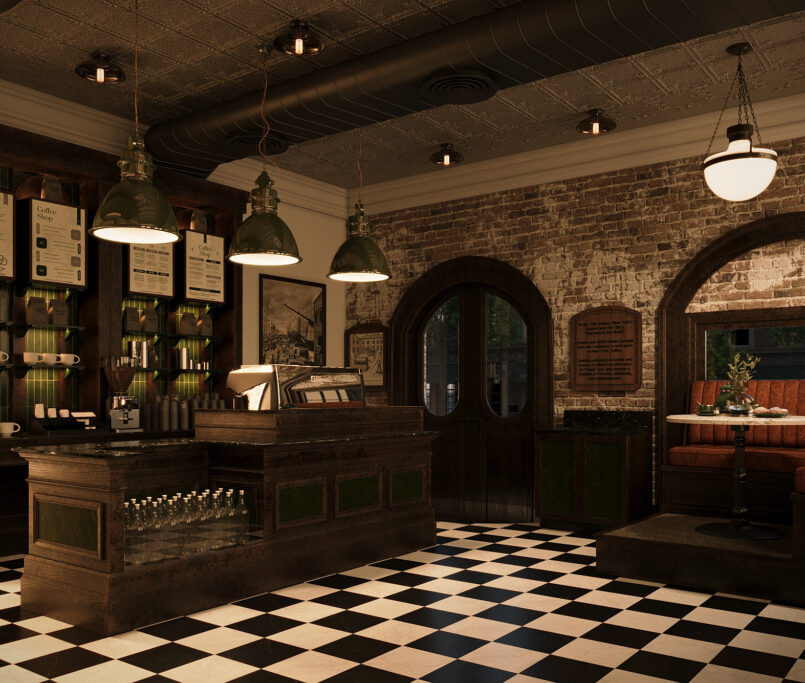
Materials should look good under both bright and low lighting. Wood, textured fabrics, metal accents, and stone surfaces often perform well across lighting conditions. Reflective finishes can add vibrancy at night, while matte textures keep the space grounded during the day.
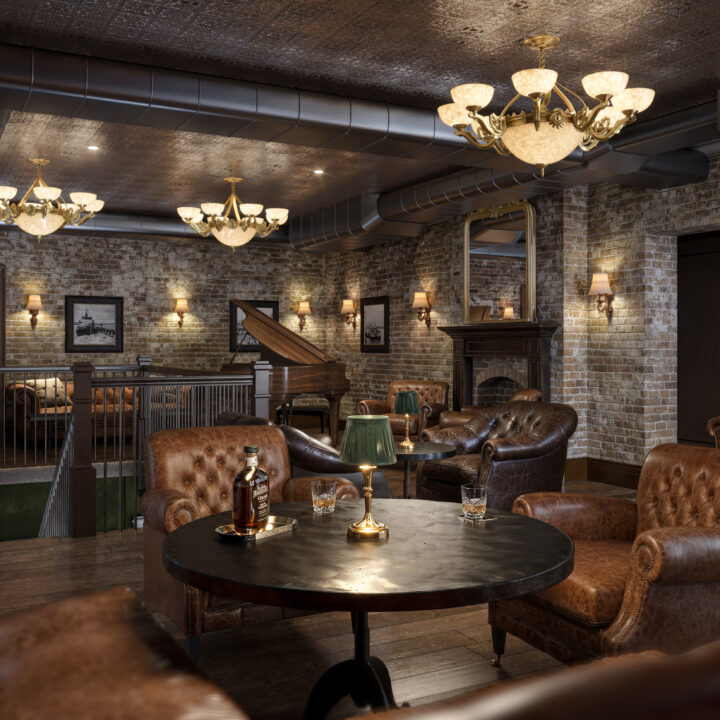
Venues like Backbar and Potion Lounge demonstrate how finishes can feel understated in daylight and dramatic at night. Durability is also essential, especially in high-traffic environments.
Why Is Day-to-Night Lounge Design Important?
In competitive markets like New York City, lounges rarely serve just one purpose. A space that only works at night leaves revenue on the table during the day. A space that feels flat after sunset risks losing its audience.
From an operational standpoint, flexible lounge design supports longer hours, diverse programming, and broader appeal. It also improves brand consistency, as guests experience a seamless transition rather than a jarring shift in atmosphere.
Ignoring this approach can lead to costly retrofits later. Thoughtful planning from the start reduces downtime and long-term expenses.
Benefits of Designing Lounges That Transition From Day to Night
One of the biggest advantages is increased profitability. A lounge that works all day naturally attracts more guests and use cases. Business meetings, casual dining, and remote work can flow into evening socializing without empty hours in between.
Another benefit is guest comfort. People feel more relaxed when a space changes gradually. Subtle transitions create a sense of intention rather than surprise.
There is also a branding advantage. Lounges that evolve throughout the day feel curated and modern. This reinforces the venue’s identity and keeps guests returning for different experiences.
How to Choose the Best Team for Lounge Design and Construction
Selecting the right partner is essential for executing a successful day-to-night concept. Experience matters, especially in complex urban environments.
Look for a team that understands both design intent and construction realities. Lounge construction NYC projects must navigate building codes, sound requirements, and mechanical systems without compromising the aesthetic vision.
It is also important to work with professionals who collaborate closely with owners and operators. New World Design Builders approaches lounge projects with an emphasis on functionality, longevity, and seamless execution from concept through completion.
Frequently Asked Questions About Lounge Design
Is day-to-night lounge design the same as nightclub design?
No. While there is overlap, lounge design focuses more on comfort, flexibility, and gradual transitions. Nightclubs are typically designed for high energy from the start.
How long does it take to implement a day-to-night lounge design?
Timelines vary based on project scope. New builds and full renovations take longer, while targeted upgrades like lighting and furniture can be implemented more quickly.
What influences the cost of lounge construction in NYC?
Costs depend on space size, materials, mechanical systems, and regulatory requirements. Urban construction often requires specialized coordination, which should be factored into budgeting.
Build a Lounge That Works Around the Clock
Designing lounges that transition from day to night is both an art and a strategic investment. When lighting, layout, materials, and construction are planned together, the result is a space that feels natural at every hour. For owners looking to maximize their venue’s potential, this approach offers flexibility, stronger branding, and long-term value. If you are exploring a new project or considering an upgrade, learning more about professional lounge design and experienced lounge construction in NYC is the next step. Contact New World Design Builders and discover how thoughtful design can transform your space from morning to midnight.