


How NYC’s Design Scene Shapes Global Hospitality Trends
Why do so many hotel lobbies, rooftop bars, and restaurants around the world feel like they could have started in Manhattan? NYC’s design scene shapes global hospitality trends by acting as a high-pressure testing ground, where concepts must win over demanding diners, travelers, and critics before they are adapted and exported to other markets.
In this article, we will explore how the city’s restaurants, hotels, and retail spaces influence hospitality design globally. You will learn which design trends matured in New York, why they travel so well, and how owners can use New York City design inspiration to create spaces that feel relevant in any market.
What Makes NYC a Global Source of Hospitality Design Influence?
New York influences global hospitality because it combines intense competition, cultural diversity, and constant media attention within a dense footprint. A new venue must stand out among thousands of options, often in tight square footage and under strict building codes.
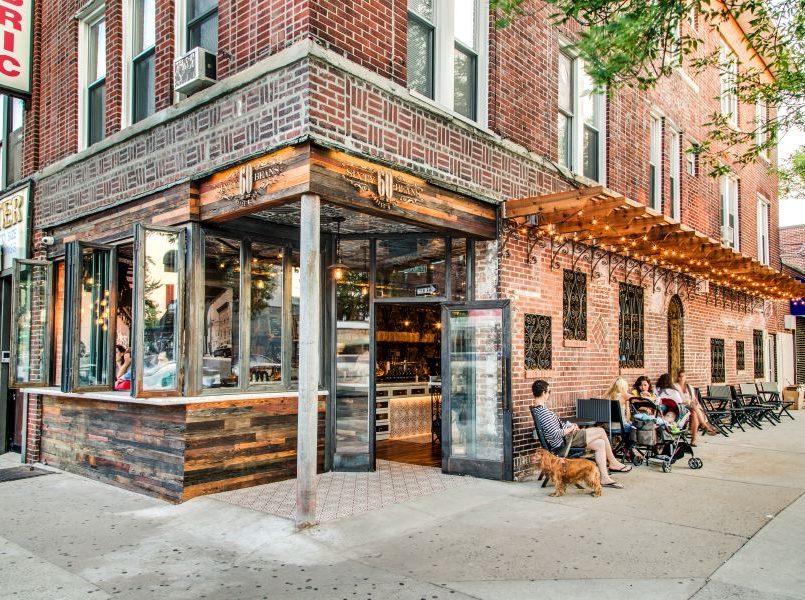
That pressure forces innovation. Designers solve problems of space, sound, and flow in ways that later become standard practice elsewhere. Neighborhoods add another layer. The industrial character of Brooklyn and the polished energy of Manhattan offer two very different sources of New York City design inspiration.
Visitors, press, and social media then carry those ideas to hospitality groups in other cities.
How Does NYC’s Design Scene Influence Hospitality Worldwide?
NYC shapes hospitality through three connected sectors, which are restaurants, hotels, and retail. Each pushes the others forward, and their ideas often cross over into lounges and spas.
Restaurants Built Around the Guest Experience
Restaurant design in New York has long treated the dining room as part of the product, not just a backdrop. Operators here learned early that layout, lighting, and atmosphere influence how long guests stay and whether they return.
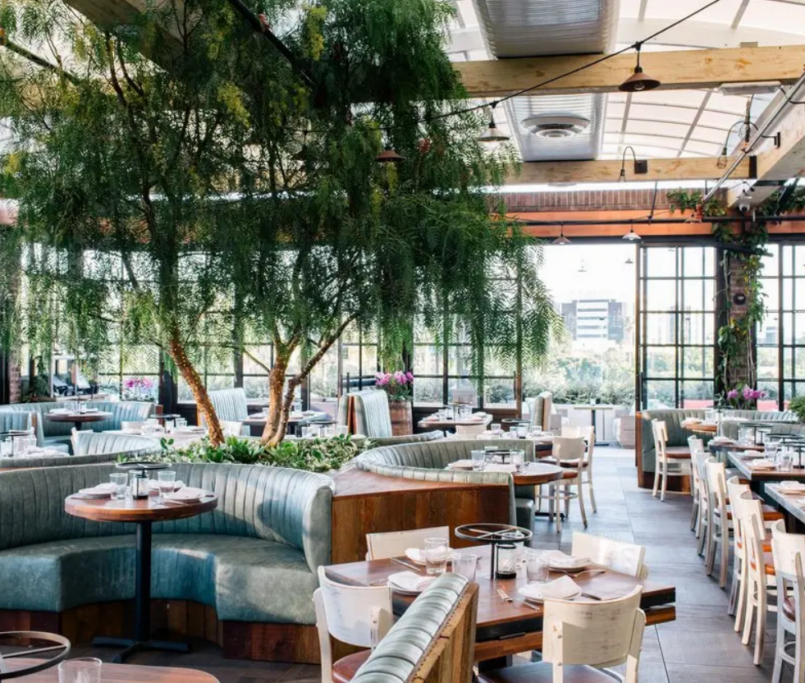
Open kitchens, chef’s counters, and theatrical bars gained popularity partly because small footprints demanded that every square foot serve both function and experience. Brands like Catch have carried a New York rooftop dining experience to Los Angeles, showing how a concept refined in one market can translate to another.
Hotels That Double as Social Destinations
Modern hotel design owes much to New York’s boutique hotel movement, which reimagined lobbies, rooftops, and bars as places for locals as well as overnight guests. Hotels became neighborhood gathering spots with their own nightlife identity.
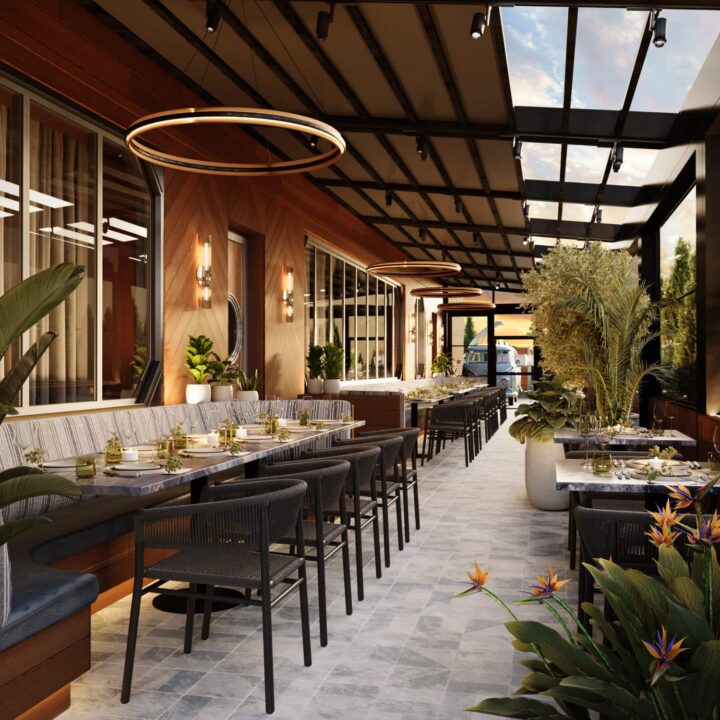
New World Design Builders has contributed to this shift through projects such as the Gansevoort Park Hotel, the Gansevoort Park Rooftop, and the Empire Hotel Rooftop, where interiors support both daytime comfort and evening energy. This approach to hotel design now appears in properties worldwide, where rooftop lounges and lobby bars serve as revenue drivers rather than simple amenities.
Retail Concepts That Inform Hospitality Branding
Store design in New York has influenced hospitality by proving that a physical space can communicate a brand as clearly as any logo. Flagship stores in SoHo treat interiors as immersive brand experiences, and hospitality operators have taken note.
The crossover works both ways. Retail brands now add cafés and lounges to their stores, while restaurants and hotels borrow retail strategies like curated displays, signature materials, and photogenic focal points. Thoughtful store design in New York often feels closer to hospitality than traditional shopping.
Why NYC Hospitality Concepts Translate to Other Markets
NYC concepts travel well because they are built to solve universal problems under extreme conditions. A design that performs in a tight, high-rent, high-traffic space is usually efficient enough to succeed almost anywhere.
Durability and adaptability are also built in. Restaurant design in New York must handle heavy use, long hours, and shifting service styles, so materials and layouts are selected for longevity. Hospitality groups expanding to Miami, Los Angeles, or overseas can adapt these solutions to larger footprints or different climates without losing their original appeal.
Hospitality Design Trends Rooted in New York
Several of today’s leading design trends in hospitality can be traced to ideas refined in NYC venues. These include:
- Day-to-Night Flexibility: Lounges and bars designed to shift from relaxed daytime use to high-energy evenings through layered, dimmable lighting.
- Rooftop Destinations: Spaces that turn skyline views into a signature attraction.
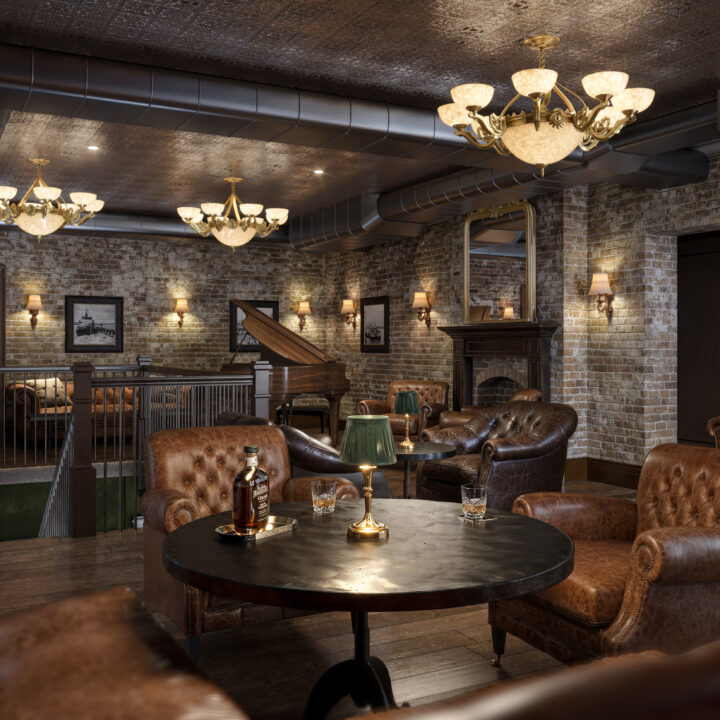
- Speakeasy-Style Intimacy: Hidden entrances, moody lighting, and small-scale bars that create a sense of discovery.
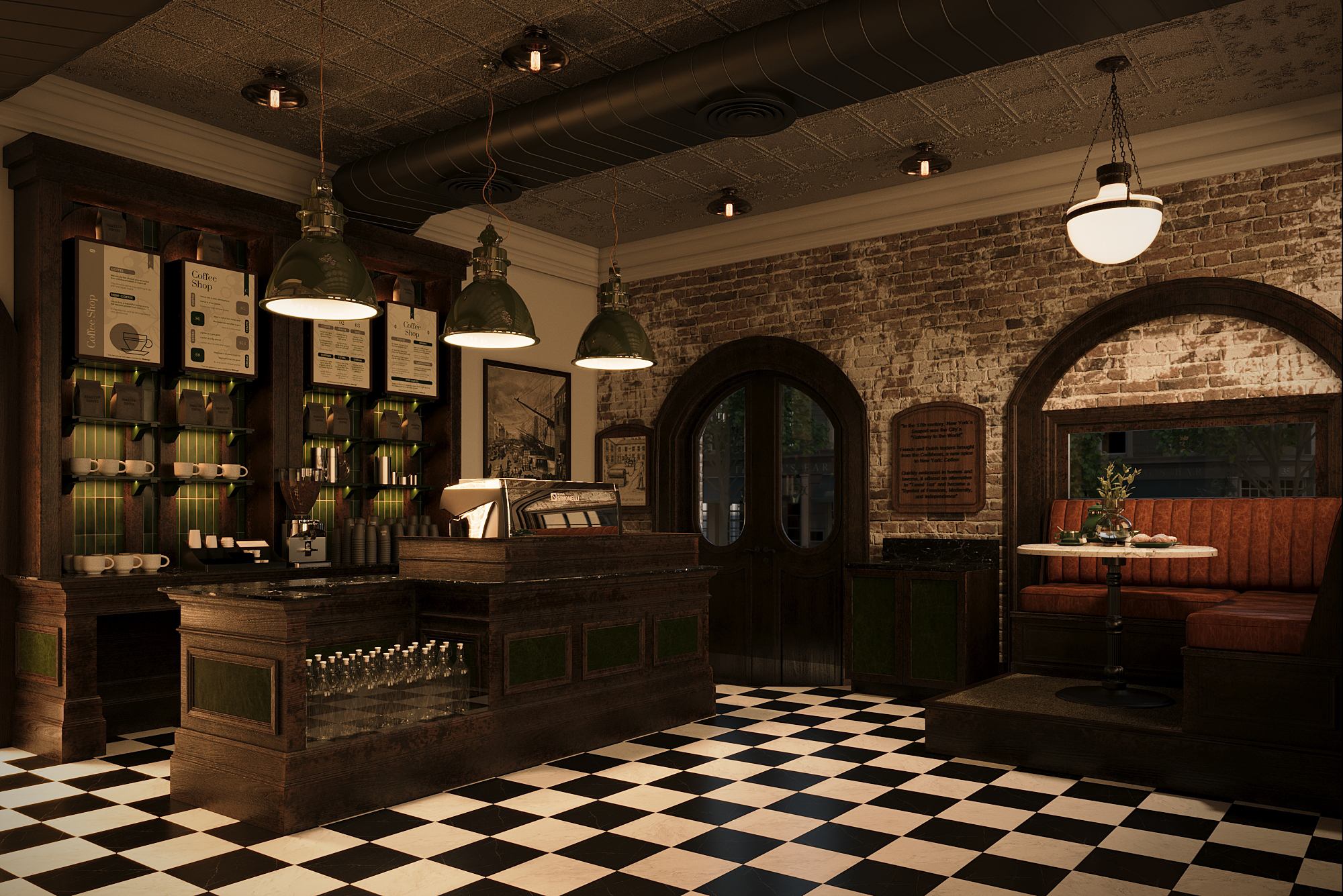
- Industrial Warmth: Exposed brick, reclaimed wood, and metal accents softened with rich textiles.
- Experiential Branding: Interiors that tell a story and give guests natural moments to photograph and share.
Each began as a local solution before guests worldwide came to expect it.
How to Bring NYC-Level Design to Your Hospitality Project
The best way to capture NYC’s influence is to work with a team that understands both creative vision and construction realities. Borrowing a look is easy, but executing it within budget, code, and operational requirements is not.
Look for a design-build firm with a portfolio spanning restaurants, lounges, hotels, and retail. Cross-sector experience matters because great ideas often move between space types. A partner familiar with hotel design, for instance, can bring rooftop and lobby strategies into a restaurant or lounge project.
Ask how the firm coordinates design and construction. When one team manages both, as New World Design Builders does, design intent survives construction and miscommunication is reduced. Experience with store design in New York can also be valuable for brands that want their space to function as a marketing tool.
Frequently Asked Questions
How long does a hospitality design-build project usually take?
Timelines depend on scope, permits, and the condition of the existing space. Targeted upgrades like lighting move quickly, while new builds and full renovations need more time for approvals and construction.
What should owners prepare before meeting with a design-build firm?
Share your concept, target audience, budget range, and ideal opening date. Photos of spaces you admire also help communicate your style early.
Should a new venue follow what’s current or aim for a timeless look?
The strongest spaces balance both. Start with a timeless foundation, then layer in design trends through lighting, furniture, and décor that can be updated as tastes change.
Bringing New York’s Design Influence to Your Next Space
NYC’s design scene will continue shaping how the world dines, stays, and socializes. Its venues prove that great design is both a creative statement and a business strategy.
Whether you are opening a new venue or reimagining an existing one, restaurant design in New York and the city’s broader hospitality culture offer a proven blueprint. New World Design Builders brings that New York City design inspiration to restaurants, lounges, hotels, and retail spaces as a single source of responsibility for design and construction. Contact the team today to start planning a space that feels unforgettable in any market.