
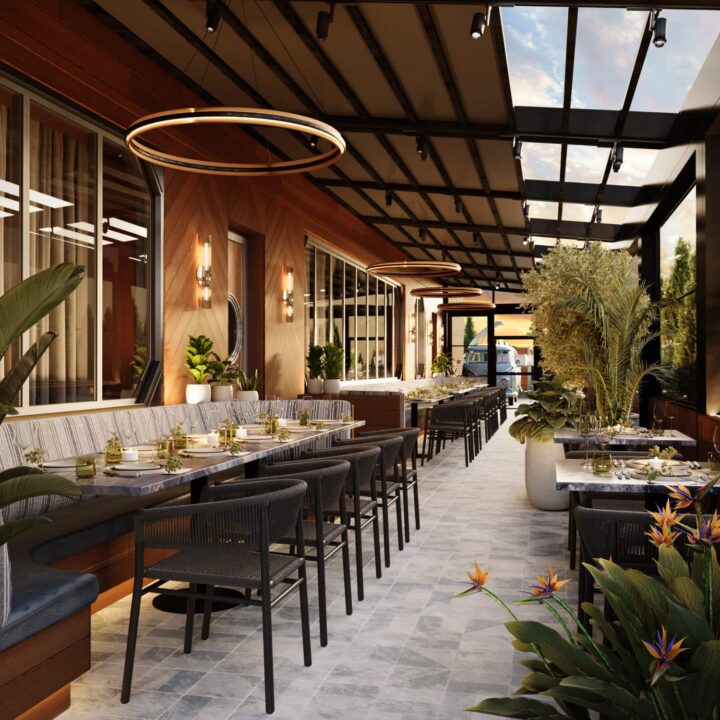


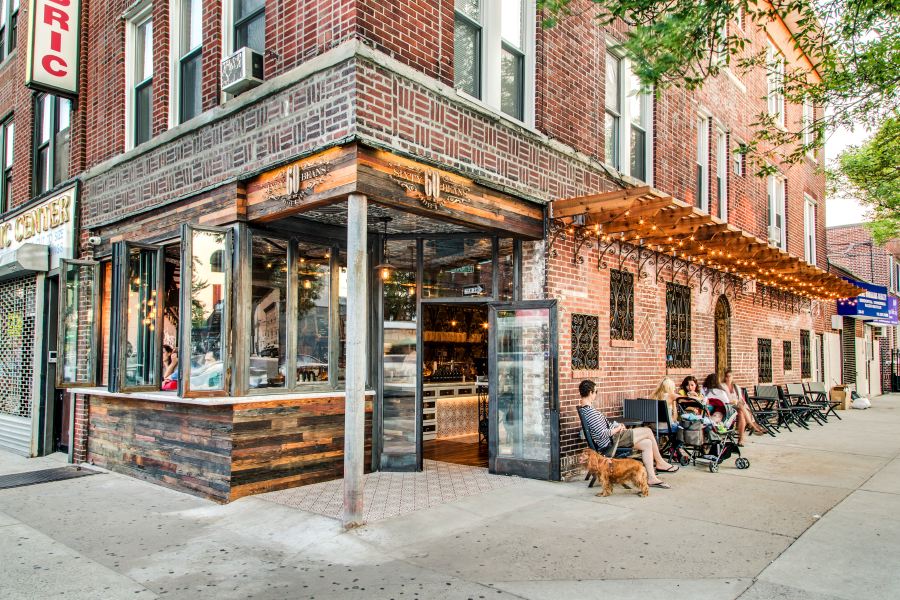
The Art of Designing Small Restaurants: Making Every Square Foot Count
What if your restaurant’s biggest limitation could become its greatest strength? In a city like New York, where space is at a premium, restaurant designers NYC are redefining what’s possible within tight footprints. Designing a small restaurant is the process of strategically planning layout, flow, and aesthetics to maximize efficiency, comfort, and revenue within a limited space.
For example, a 900-square-foot café in Manhattan can feel open, inviting, and highly functional when every inch is thoughtfully planned. This article explores how restaurant planning and construction professionals approach small spaces, what makes these designs successful, and how the right design-build firm can bring it all together. If you are launching or renovating a restaurant, understanding these principles can help you avoid costly mistakes and create a space that truly works.
How Does Designing Small Restaurants Work?
Small restaurant design is not just about fitting tables into a room. It is a coordinated effort between layout planning, construction, and operational strategy.
Step 1: Strategic Space Planning
The first step in restaurant planning and construction is mapping out how the space will be used. This includes the kitchen, dining area, storage, and pathways for staff and guests.
Experienced restaurant designers in NYC focus on flow. They consider how servers move between tables, how food travels from the kitchen to guests, and how customers enter and exit the space. Even a few extra steps per transaction can add up to inefficiency.
Step 2: Integrating Design and Construction
Working with a design-build firm ensures that design concepts align with real-world construction constraints. This approach eliminates gaps between vision and execution.
Instead of handing off plans between separate teams, design-build professionals collaborate from the beginning. This leads to fewer delays, better cost control, and smarter use of materials.
Step 3: Optimizing Functionality and Experience
A well-designed small restaurant balances operational efficiency with customer comfort. This means choosing furniture that fits the space, incorporating smart storage solutions, and using lighting to enhance the atmosphere.
Modern restaurant design trends emphasize flexibility. Think movable seating, multi-purpose surfaces, and layouts that can adapt to different service styles throughout the day.
The Real Impact of Design in Small Restaurants
In dense urban markets like New York City, space constraints are not optional. They are the norm. That is why thoughtful design is critical. From a business perspective, poor design can limit seating capacity, slow down service, and create a cramped environment that turns customers away. On the other hand, a well-executed layout can increase revenue per square foot and improve staff productivity.
Industry insights from organizations like the National Restaurant Association highlight how operational efficiency directly impacts profitability. When restaurant construction is guided by smart planning, it reduces long-term costs and improves the guest experience.
For growing brands, working with experienced restaurant designers in NYC also ensures consistency across locations. This is especially important for building a recognizable identity in a competitive market.
Benefits of Smart Small Restaurant Design
- Maximized Revenue Potential: Efficient layouts allow for more seating without compromising comfort.
- Improved Workflow: Staff can move quickly and safely, reducing wait times and errors.
- Enhanced Customer Experience: Thoughtful design makes even small spaces feel welcoming and intentional.
- Cost Efficiency: Smart restaurant planning and construction reduces wasted space and unnecessary expenses.
- Future Flexibility: Designs that adapt to changing needs support long-term growth.
How to Choose the Best Restaurant Designers in NYC
Choosing the right partner is one of the most important decisions you will make. Not all firms approach small restaurant design with the same level of expertise. Look for a design-build firm that understands both aesthetics and operations. They should be able to explain how their design choices improve efficiency, not just how they look. Experience in restaurant construction is essential. Ask about past projects, especially in New York City, where building codes and space limitations require specialized knowledge.
It is also important to evaluate how the firm approaches problem-solving. Do they offer clear, structured plans? Do they anticipate challenges before they arise? Firms like New World Design Builders focus on aligning design with real-world constraints, ensuring that every decision supports the overall goal. Finally, consider communication. A strong partner will guide you through the process, from concept to completion, while keeping your vision at the center.
Restaurant Design Trends Shaping Small Spaces
Design trends are constantly evolving, but in small restaurants, they are often driven by necessity. One major shift is toward open kitchens. This eliminates the need for separate enclosed spaces and creates a more engaging dining experience. It also allows for better use of limited square footage.
Another trend is vertical design. Shelving, lighting, and décor elements are used to draw the eye upward, making spaces feel larger than they are. Sustainability is also becoming a priority. Many restaurant designers in NYC are incorporating energy-efficient systems and durable materials that reduce long-term costs. Technology plays a role as well. Digital ordering systems, compact kitchen equipment, and integrated POS setups help streamline operations without taking up valuable space.
Frequently Asked Questions
What should be prioritized first when working with limited space?
Your kitchen and workflow should come first, since they directly impact service quality. Once operations are optimized, the remaining space can be shaped to enhance the guest experience without compromising efficiency.
Do small restaurants face different permitting or zoning challenges in NYC?
Yes, smaller spaces often come with stricter limitations depending on prior use, building type, and ventilation capabilities. Working with a team experienced in NYC regulations helps avoid delays related to permits, occupancy limits, and code compliance.
How do I know if my concept is realistic for the space I have?
This is usually determined during early planning. Experienced restaurant designers can assess whether your vision fits the space or suggest adjustments to make it work.
Turning Small Spaces Into Big Opportunities
Designing a small restaurant is both a challenge and an opportunity. With the right approach, limited square footage can become a powerful asset that drives efficiency, profitability, and customer satisfaction. By working with experienced restaurant designers in NYC and investing in thoughtful restaurant planning and construction, you can create a space that works smarter, not harder. Every decision, from layout to materials, plays a role in shaping the final experience.If you are planning a new restaurant or looking to optimize an existing one, partnering with a trusted design-build firm like New World Design Builders can make all the difference. Explore our services to learn how expert design and construction can bring your vision to life and help your business thrive in even the smallest spaces.